Student Recruitment vs. Academic Roles: Which Path Is Right for You?
Higher Education News
Student recruitment and academic roles attract similar people but demand very different things. Here's what you need to know before choosing your path in UK higher education.
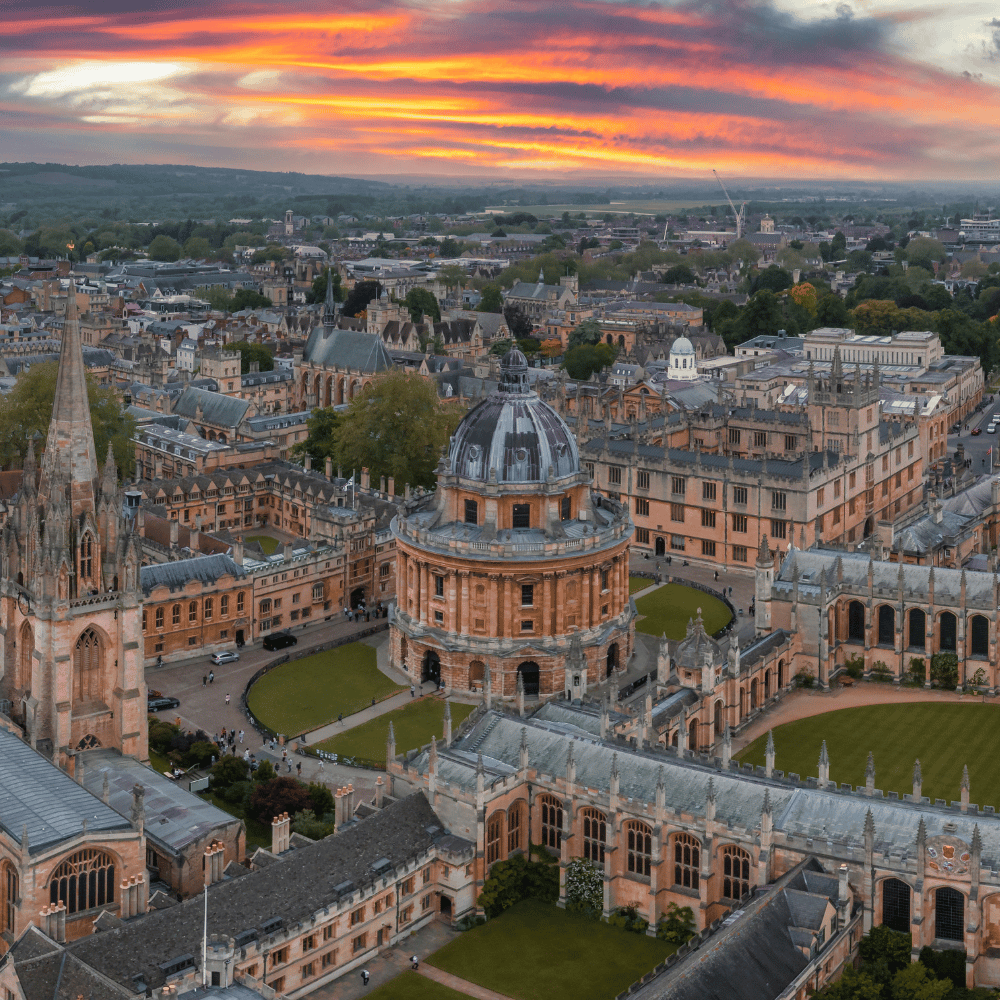
Same sector, very different careers, here's how to choose between them.
If you work in higher education, or are trying to break into it, you have probably noticed that student recruitment and academic roles attract a lot of the same people. Both require strong communication, a genuine interest in education, and a deep familiarity with how universities work. And yet they could not be more different in practice.
What student recruitment involves
Student recruitment, covering admissions, outreach, and widening participation, is the work of bringing students to an institution. In practice, this means school events, open days, application management, international outreach, and increasingly, data-driven digital engagement. It is a commercially significant function. With UK universities facing declining domestic student numbers and intensifying competition internationally, recruitment teams are under real pressure and expected to demonstrate results.
What academic roles involve
Academic careers are built around research and teaching, with the balance varying considerably by institution type and career stage. Entry typically requires a PhD, followed by postdoctoral positions and fixed-term lectureships before, for those who make it, a permanent post. The path is long, competitive, and geographically unpredictable. Beyond research and teaching, academics carry administrative loads, supervise postgraduate students, and are increasingly expected to generate grant income.
The key differences
Structure is the most fundamental divide. Student recruitment offers clear career progression, defined hours, and transparent salary bands. Academic careers are less structured, shaped heavily by research output and discipline, and far more competitive.
Stability is another dividing line. A recruitment manager has a broadly stable role. An early-career academic on a series of fixed-term contracts faces genuine uncertainty about where they will be living and working in two years. This shapes finances, relationships, and wellbeing in ways that are worth taking seriously before committing to the path.
The relationship with students differs too. Recruitment professionals meet students at the beginning of their journey, prospective, curious, weighing their options. Academics meet them in the middle, teaching, supervising, challenging. Both are meaningful, but they appeal to different instincts.
Where the paths overlap
The gap between the two is narrowing. Many universities now employ staff in roles that blur the boundary, academic outreach officers, widening participation researchers, education-focused lecturers whose work centres on student experience rather than traditional research. Former academics also make strong recruitment professionals, particularly in postgraduate and international roles where subject credibility matters.
The practical reality in 2026
Academic hiring has slowed at many institutions, with fixed-term contracts proliferating and permanent posts harder to secure. Recruitment teams, by contrast, are growing in strategic importance, institutions that cannot recruit effectively cannot survive. For those with genuine flexibility about direction, the employment market in 2026 slightly favours the professional services path for stability, even if academia remains the more intellectually compelling option for many.
Whichever direction you choose, choose deliberately, with a clear-eyed understanding of what each path actually demands, not what it looks like from the outside.
A general guide for those exploring careers in UK higher education. Individual experiences will vary by institution, discipline, and career stage.